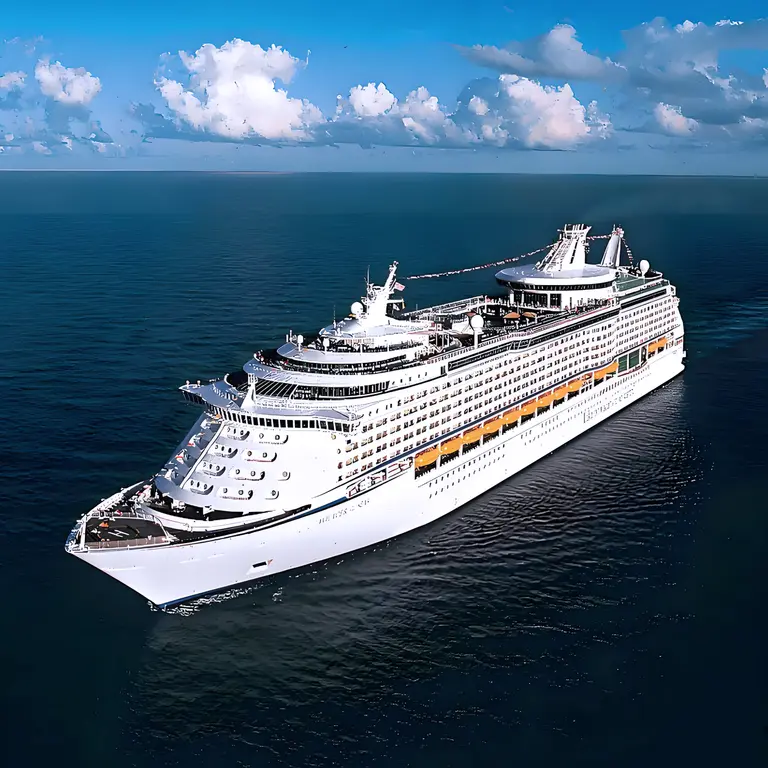

Japan has long captured the imagination of American travelers. It is a destination where centuries-old temples sit beside futuristic skyscrapers, where bullet trains coexist with quiet gardens, and where food, culture, and hospitality reach world-class levels. As cruise lines continue to expand their Asia programs, a Japan cruise in 2026 and 2027 has become one of the most appealing and accessible ways to experience the country.
For many travelers, choosing a cruise to Japan is about balancing discovery with comfort. Rather than planning complex rail routes, hotel changes, and language logistics, cruising offers a curated journey that touches multiple regions of Japan while maintaining a familiar onboard environment. Below, we take a detailed look at the benefits and challenges of Japan cruises, helping you decide whether this travel style aligns with your expectations, while also highlighting what makes Japan cruise itineraries in 2026 and 2027 especially compelling.
Benefits of a Japan Cruise
Maximum Convenience and Stress-Free Travel
One of the most significant advantages of a Japan cruise is the simplicity it offers, especially for travelers visiting Asia for the first time. Japan's transportation system is famously efficient, but first-time visitors may find navigating multiple train routes, luggage transfers, and hotel changes challenging. Cruising eliminates much of this complexity.
You unpack once, settle into your stateroom, and let the ship handle transportation between destinations. Each morning, you wake up in a new port without the need to check out of hotels or haul bags onto trains. For travelers who value ease, organization, and predictability, this level of convenience is hard to beat.
Extensive Japan Cruise Itineraries Covering Multiple Regions
Another major benefit of cruising is the ability to see a wide range of destinations in a single trip. Japan cruise itineraries for 2026 and 2027 are among the most diverse ever offered, ranging from shorter regional sailings to immersive journeys lasting three weeks or more.
Typical itineraries may include:
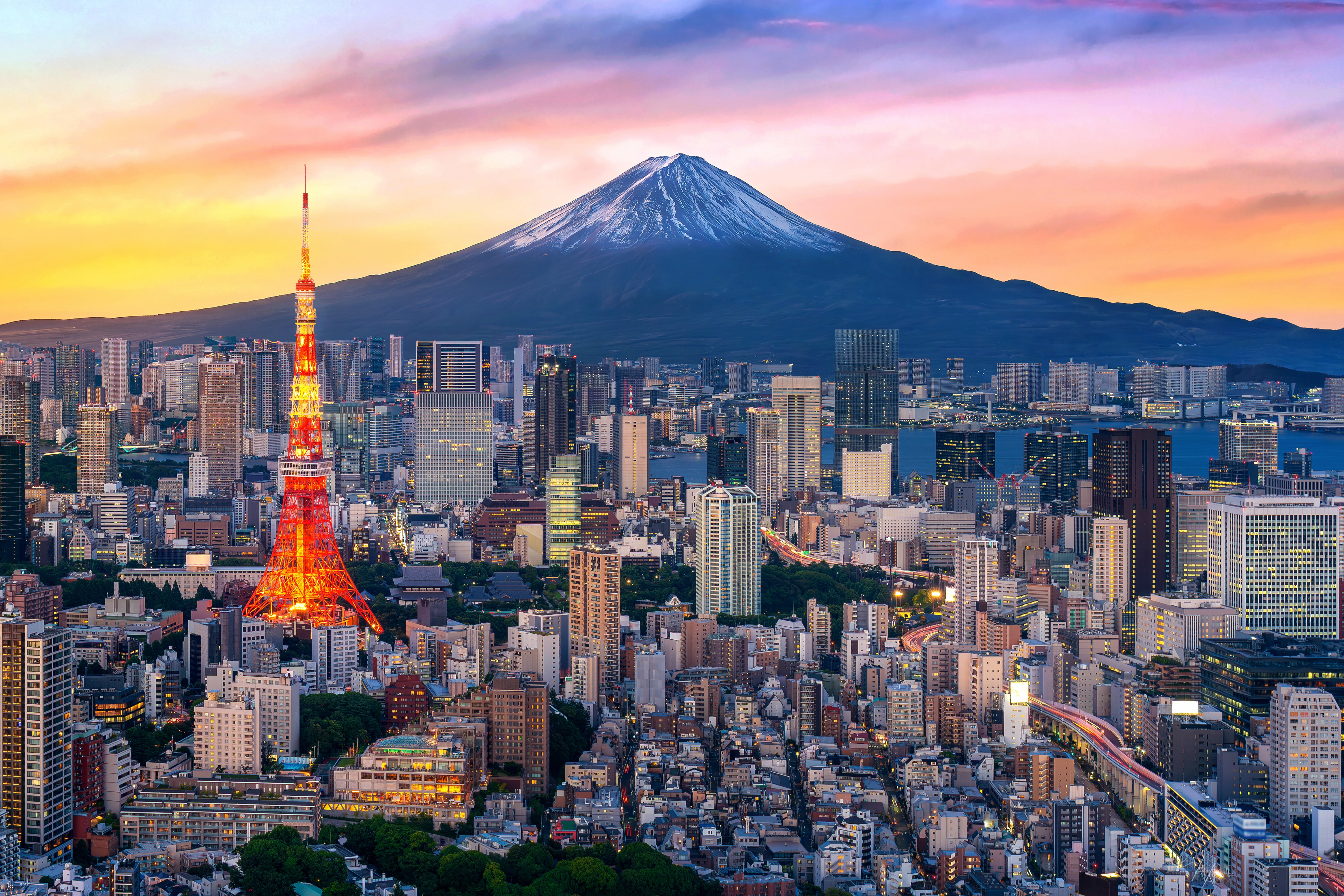
- Tokyo (Yokohama): A dynamic introduction to Japan’s modern culture, shopping districts, and food scene
- Kyoto (via Osaka or Kobe): Historic temples, shrines, and traditional neighborhoods
- Hiroshima: A deeply moving destination paired with beautiful nearby islands
- Hokkaido: Known for cooler weather, scenic landscapes, and a more relaxed pace
- Southern Japan and Kyushu: Hot springs, volcanic scenery, and regional cuisine
Many cruises also incorporate nearby countries such as South Korea or Taiwan, adding international depth without additional flights. For travelers who want to maximize what they see in a limited timeframe, cruising offers exceptional efficiency.
Seasonal Highlights Built Into 2026 and 2027 Sailings
Japan’s seasons are an essential part of its appeal, and cruise lines continue to design their itineraries around the country’s most visually stunning times of year. Travelers sailing during the remainder of 2026 and into early 2027 can experience some of Japan’s most celebrated seasonal highlights.
- Summer sailings align with traditional festivals, fireworks displays, and lively port cities.
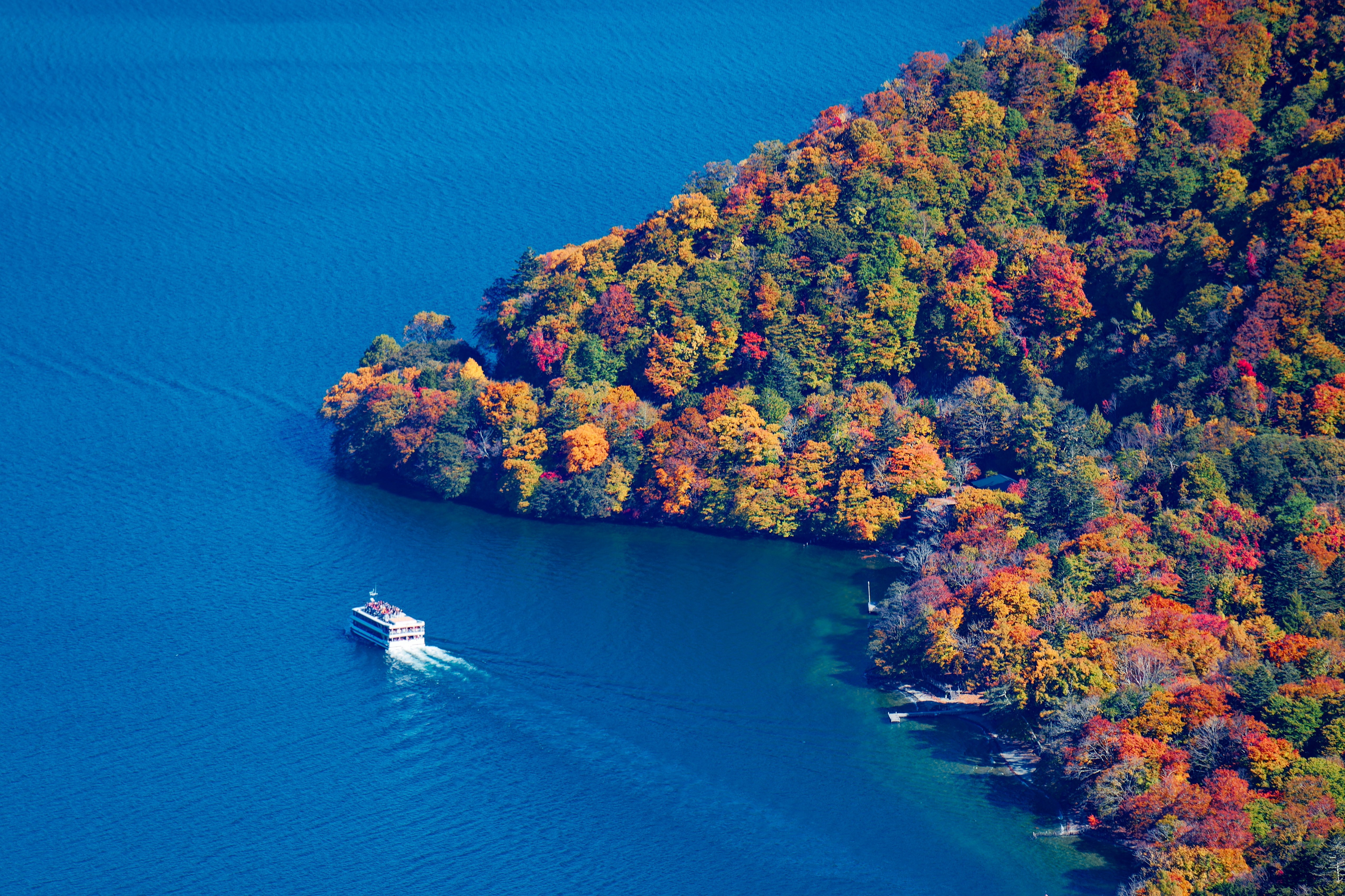
- Fall itineraries showcase vibrant autumn foliage and comfortable sightseeing temperatures.
- Winter departures offer a quieter experience with seasonal cuisine, cultural traditions, and fewer crowds.
- Spring sailings, including many 2027 departures, provide the opportunity to experience Japan's famous cherry blossom season, one of the country's most sought-after travel experiences.
By choosing the right sailing, travelers can experience Japan at its most beautiful while avoiding much of the complexity of planning a multi-city land vacation.
Onboard Cultural Immersion and Enrichment
Cruising to Japan does not mean sacrificing cultural depth. In fact, many cruise lines emphasize onboard enrichment to complement what guests experience ashore. On a typical cruise to Japan, travelers may enjoy:
- Guest lectures on Japanese history, customs, and modern society
- Traditional music, dance, or martial arts demonstrations
- Japanese-inspired dining options alongside familiar Western cuisine
- Language basics and etiquette tips to enhance shore visits
This onboard programming adds valuable context, helping travelers better understand the destinations they visit and making each port experience more meaningful.
Cruisetour Options for Deeper Exploration
For travelers who want more than just port visits, cruisetours offer a powerful advantage. Many cruise lines combine their Japan sailings with guided land tours before or after the cruise. These packages make it easy to explore inland destinations that ships cannot reach, such as Kyoto, Hakone, or the Mount Fuji area.
Cruisetours are especially appealing for travelers who want a deeper cultural experience without the burden of planning transportation, accommodations, and guides on their own. They represent a strong middle ground between a cruise-only trip and a fully independent land vacation.
Potential Challenges of a Japan Cruise
While the advantages are substantial, understanding the pros and cons of Japan cruises requires an honest look at the limitations as well.
Limited Time in Each Port
Cruise ships operate on fixed schedules, which means time ashore is limited. Most ports offer approximately 8 to 10 hours for exploration. In large cities like Tokyo or Osaka, this can feel restrictive, especially when travel time from the port to major attractions is factored in.
Travelers must prioritize what they want to see, often choosing between just one or two major experiences rather than a full day of unstructured exploration. For some, this creates a sense of rushing through destinations rather than fully absorbing them.
Fewer Evening and Nightlife Experiences
Japan’s nightlife is a highlight for many visitors, from neon-lit streets and late-night ramen shops to lively izakayas and entertainment districts. Because cruise passengers must return to the ship in the evening, they often miss out on this aspect of Japanese culture.
While daytime experiences remain rich and rewarding, travelers who place a high value on dining out late or exploring cities after dark may find this to be one of the biggest drawbacks of cruising.
Distance Between Ports and City Centers
Not all Japanese cruise ports are located near city centers. Some require lengthy transfers by bus or train before reaching key attractions. This travel time can reduce the amount of free exploration available during port days.
Cruise-organized excursions help streamline transportation, but independent travelers may feel constrained by schedules and distances, particularly in major metropolitan areas.
Risk of Repetitive Shore Experiences
On longer Japan cruise itineraries, visiting multiple ports with similar historical themes, such as temples, shrines, and castles, can begin to feel repetitive if excursions are not chosen carefully. This is less a flaw of Japan itself and more a matter of planning.
Travelers who mix cultural sightseeing with food tours, modern neighborhoods, nature excursions, or hands-on activities tend to enjoy a more balanced and engaging experience throughout the cruise.
Best Japan Cruise Lines and Itineraries for 2026 and 2027

Princess Cruises
Princess Cruises is widely regarded as one of the strongest operators in Japan. Known for long seasonal deployments and extensive port access, Princess often uses Yokohama (Tokyo) as a homeport, making logistics easy for U.S. travelers. Their itineraries are well-balanced and ideal for first-time cruisers to Japan.
Seabourn
For travelers seeking a more refined experience, Seabourn’s Japan cruises in 2026 and 2027 offer luxury, smaller ships, and all-inclusive pricing. With calls to ports such as Beppu, Toba, and Maizuru, Seabourn appeals to travelers looking for unique destinations and a quieter onboard atmosphere.
Royal Caribbean and Celebrity Cruises
These cruise lines focus on immersive itineraries that often include both Japan and South Korea. Their modern ships, strong onboard amenities, and well-organized shore programs make them appealing to travelers who want a mix of cultural depth and contemporary cruising.
Choosing the Right Itinerary Focus
When evaluating Japan cruise itineraries, consider routes that include:
- Honshu, Japan’s main island, for iconic cultural landmarks
- Hokkaido, offering cooler weather, natural scenery, and fewer crowds
- A mix of historic and modern ports to avoid repetitive experiences
The right itinerary can significantly enhance your overall experience, turning a good trip into an unforgettable one.
A cruise to Japan in 2026 or 2027 offers a compelling blend of discovery, comfort, and efficiency. While there are limitations in time and flexibility, the ability to visit multiple regions, enjoy onboard enrichment, and avoid complex logistics makes cruising one of the most accessible ways to explore Japan.
By carefully considering the pros and cons of Japan cruises and choosing the right itinerary and cruise line, travelers can experience Japan’s culture, history, and natural beauty in a way that feels both enriching and manageable.
For those looking to make the most of their time in Asia, a Japan cruise remains one of the smartest and most rewarding travel options available.

Planning a Japan cruise? OLA Vacations can help you compare cruise lines, itineraries, cruisetours, and stateroom options to find the sailing that best matches your travel style. Whether you're looking for cherry blossoms, autumn colors, cultural immersion, or a luxury voyage, our team can help you plan a seamless Japan cruise experience from start to finish.